In 1960s New York under President Richard Nixon, television is banned in private homes and certified radios listen back. Federal lawyer Charlie Prudhomme is murdered after uncovering the surveillance. The Room begins the six-part Transmission Era series.
They Called It Love Anyway
Available now
Adam Weller was sixteen when he came home covered in blood. Decades later, his work in a prison records office brings him into Conor’s and Cynthia’s histories, forcing him to revisit the violence and attachments in his own life.
The worst thing in the kitchen was not the blood.
It was that my father was awake.
Read the kitchen scene
The worst thing in the kitchen was not the blood.
It was that my father was awake.
He stood in the doorway between the hall and the kitchen in his white undershirt and work pants, one sock on and one foot bare, his hair mashed flat on one side from the pillow. His face was already red, not red like anger exactly, but red like the anger had only been waiting for a reason to come up through him, and his mouth hung open before he spoke, with a little wet place in the corner of it catching the kitchen light.
Behind him, the hallway was dark. In front of him was me.
I sat at the yellow Formica table with my hands flat on top of it, left hand and right hand, palms down, because if I let them hang at my sides they still seemed to be holding something. There was blood on them. There was blood on my sleeves.
There was blood on my face, dried in lines across my left cheek and over the corner of my eye, still wet under my jaw, so that when I blinked the skin pulled and when I opened my mouth my lips stuck together and made a small sound coming apart.
My mother, Helen, heard it from the wall phone. She was in her nightgown, her hair flattened from sleep and one sleeve fallen loose on her narrow shoulder, with both hands around the black receiver, the cord stretched tight from the wall jack and scraping the yellow paint every time she turned her head from me to my father and back again, as if the kitchen had three fires in it and she could not decide which one would burn her first.
“Seventy-seven,” she said into the phone, and then she stopped because the operator said something I could hear only as a small dry voice inside the receiver.
My mother tried again. “Seventy-seven...”
“Alder Street!” my father screamed, and she ducked hard enough that the receiver knocked against her cheekbone.
“Alder Street,” she said. “Seventy-seven Alder Street. Please. Please, he’s here. My son is here. He came in the back door.”
The radio was on beside the bread box, too loud, the brown plastic one with the missing knob and the little silver stem sticking out where the knob should have been. I had turned it on when I came in, and I remembered the stem between my fingers, the back door closing behind me, and the need to fill the kitchen with sound before anyone else woke up.
The Police were playing. “Every Breath You Take.” That clean little guitar part came through the static, steady and thin, the way it had come through every car window and drugstore speaker that year, and it sounded as if it belonged in another house, one with dry floors and people asleep in their beds.
My father stepped into the kitchen, and his bare foot touched the mud I had tracked in and pulled back. The mud ran from the back door to the table in a dark broken line, with pine needles in it, one stuck to my cuff and another under the table leg near the broom my mother had leaned by the back door after sweeping before bed.
He looked at the floor first, then at my face, and his mouth changed.
“What did you do?”
I looked at the radio.
“What did you do, Adam?”
His voice had climbed already. Other men got low when they were dangerous, but my father went high, the words thinning and tearing at the top, and the more he heard that sound in himself, the angrier he got.
My mother said, “Ray, don’t.”
He turned on her. “Don’t? Don’t what? Look at him!”
“I am looking at him.”
“Then ask him!”
“I’m on the phone.”
“Ask him what he did!”
“I’m talking to the police.”
He slapped the wall beside the doorway, and the kitchen jumped, one plate tapping another inside the cupboard as my mother bent into the phone with her breathing hitting the receiver before the words did.
“There’s blood on his face,” she said. “There’s blood in his hair. I can’t tell if he’s hurt. I can’t tell. No, I don’t know whose blood it is. Please hurry.”
My father crossed to the radio and hit it with the heel of his hand, breaking the song into static before it came back louder. He grabbed for the missing knob and missed the metal stem twice, breathing through his mouth and whining under his breath while he tried to catch it, and when he finally did he turned the song down but not off.
The song stayed under everything. Now I could hear my mother’s breath in the phone, the refrigerator motor, my father’s bare foot sticking once on the linoleum, Edward moving somewhere in the hall, James farther back in the living room, and the little wet sound my lips made when they came unstuck again.
My father came back to the table and grabbed the chair across from me. It had a split in the vinyl back, with yellow stuffing pushed through it, and he dug his fingers into the split without looking until the chair creaked in his hands.
“Adam.”
I looked at his hands.
“Adam!”
I looked at the silver rim of the table and at something dark caught in the seam by my wrist, a piece of bark or leaf pushed into the place where crumbs usually stayed, the same seam my mother dug at with her thumbnail after supper because she hated what collected there.
My father leaned over the chair, close enough that I could smell beer from the night before, sweat, sour toothpaste, sleep, and his face filled the space above the table: red cheeks, wet eyes, the little spit thread at the corner of his mouth stretching and breaking when he spoke.
“Who did you hurt?”
I kept looking at the table.
“Who did you hurt?”
Spit hit the Formica near my right hand. I looked at that, and that was worse.
“Don’t look at the table!” he screamed. “Look at me!”
My mother cried, “Ray!”
He slammed both hands down on the chair back, the chair legs knocked against the floor, and the table bumped my palms, but my hands stayed flat.
Edward appeared behind him in the hall, shirtless, jeans open at the waist, hair standing up in back, and stopped with one hand on the doorframe. His face emptied when he saw me, then tightened into something harder.
“Jesus Christ,” he said.
My father snapped his head around. “Shut up!”
Edward stared at my face anyway. “Is that his?”
My mother made a sound into the receiver. James stood farther back where the living room stayed dark, one side of his face and one pale arm folded over his chest visible from the kitchen. He did not come in. He never came in until he knew where the punishment was going.
Edward said, quieter, “He’s got it on his eyelashes,” and my mother turned toward him with the receiver still pressed against her face.
“Stop.”
“I’m just...”
“Stop.”
James said, “Ed,” from the living room, and Edward stopped because James had said it low, the way he said things when he wanted a door closed before my father noticed it was open.
My father lifted one hand from the chair and reached toward my shoulder. He did not move quickly, but my mother screamed as if he had crossed the room at a run.
“Don’t touch him, Ray!”
My father jerked his hand back and wheeled toward her. The radio, the refrigerator, the operator still talking faintly from the receiver, all of it disappeared under the two of them.
“I’m not touching him!” His voice climbed on the last word until it was almost a shriek.
“You were reaching for him!” my mother shouted back. She had the receiver against her cheek but was no longer speaking into it.
“I’m trying to find out what happened!”
“And I’m trying to keep you from making it worse!”

No signup required. Open the scene on its own page
Or read Cynthia’s separation scene
The separation packet arrived in a white envelope thick enough to make the mail slot clap when it dropped onto the tile inside the front door.
Cynthia stood in the hall with one hand on the banister and looked at it before she picked it up. The envelope had Julian’s name and hers printed on a label, both names spelled correctly, both names sitting on the same line as if the paper had not noticed that one of them was already trying to leave the other. The return address belonged to a law office downtown, a suite number above a bank, and the flap had been sealed with the kind of pressure that left a faint shine along the glue.
She carried it to the kitchen because serious papers had begun to require the kitchen. The dining room was too formal. The den was Julian’s territory even when he was not in it. The bedroom had become a place where she listened to him breathe and tried to decide whether breath counted as staying. The kitchen still had counters, sink, towels, ordinary light, the bowl, the telephone, the place where a person could stand and do something with her hands.
Inside the envelope were copies. Not originals. Copies made from originals she had not been allowed to see first. Temporary separation agreement. Disclosure schedule. Preliminary division of household property. Banking summary. Suggested communication protocol.
Communication protocol made her laugh once, a short sound with no humor in it.
The first page began with both names again. The second page referred to them as parties. By the third page she had become Wife and Julian had become Husband, each word capitalized until it sounded less like a person than a small office. Husband shall maintain. Wife shall vacate if. Husband and Wife shall refrain from unnecessary contact. Temporary possession of the residence shall be determined by mutual agreement or court order.
She read shall five times before the word stopped meaning anything except a hard little gate closing in one sentence after another.
Julian came home at six-thirty with his briefcase in his left hand and his coat over his right arm. He paused at the kitchen entrance when he saw the pages spread across the table. He did not look surprised. He looked as if he had expected exactly this.
Julian stopped at the end of the table. “You got the envelope.”
Cynthia tapped the first page with one finger. “I got a packet from your lawyer.”
“I asked them to send copies so we could go through it.”
“You asked them before you asked me.”
“Cynthia—”
“No. Tell me what ‘standard’ means. Standard for which one of us?”
He put his briefcase down beside the chair he no longer sat in unless the conversation belonged to him. The brass latches clicked at the same time, a neat small sound that made her teeth touch. He took off his coat and folded it over the back of the chair instead of hanging it in the hall closet, and the choice seemed intimate in the wrong direction, as if he were staying for the discussion but not staying in the house.
Julian rested one hand on the chair back. “We need some structure if we’re going to get through this.”
“We had a structure.”
He looked at the pages between them. “We had a situation we kept pretending was a structure.”
She looked down at the pages because if she kept looking at his face she would begin asking him which word had been hers and which word the lawyer had given him. Situation. Arrangement. Protocol. Vacate. Refrain. He stood near the table with his hands at his sides, clean cuffs showing, watch against bone, his wedding ring still on his finger and already no longer proof of anything.
After a moment he said, “You can keep the bowl.”
She looked at him then.
“It’s listed,” he said, reaching for the property schedule.
“Don’t touch it.”
He stopped. Not because she frightened him. He could hear the professional steadiness in her voice: nurse, receptionist, woman at a counter who made people stop and listen. He had once liked that in her. He had called it steadiness. Now he treated it as another problem to manage.
Cynthia folded the first page along a crease that was not there yet. The crease cut through Husband and Wife at the same angle. She pressed it flat with two fingers until the paper held the wound.
No signup required. Open the scene on its own page
Timberline Road
Kindle preorder for October 31
When seventeen-year-old Scott Dresser vanishes in an Oregon mill town, Vern Tully's delivery records contradict witnesses who fear for their families. Deputy Danny Cord and investigator Kitt MacInnis follow his routes, while Dara Vanderveen fights her manager's control of an acting career in Los Angeles.
Studio 6
Available now
In 1949, a fire kills three musicians at a New York rehearsal studio and closes Room 6. Nearly fifty years later, Patrick's unfinished music draws Lucas's ambitions and Teddy's old promise into a struggle over who can claim the work.
The Last Solos
Available now
Vancouver, October 1959. Errol Flynn is sick, broke and trying to sell his yacht. Beverly Aadland, seventeen, travels with him while doctors, lawyers and handlers argue over money and blame. In this altered-history novel, Glenn Gould enters Flynn’s final days.
There was no piano in Grant’s apartment. In the sitting room stood a radio cabinet, a small table and a bookcase whose upper shelf bowed under medical texts. Against one wall a sewing machine had been covered with a patterned cloth. The machine’s treadle and iron frame gave it the shape of an instrument waiting beneath concealment.
Glenn Gould beside Errol Flynn: read the full scene
“Play.”
The word travelled through the half-open door without enough volume to determine whom it addressed.
Beverly came into the dining room. Her lipstick had worn away from the middle of the lower lip. She held the empty water glass and looked at Glenn, then at the open score.
“He thinks there’s a piano.”
Glenn looked toward the bedroom.
“Sometimes he thinks we’re on the boat,” she said. “Sometimes he knows exactly what George is doing.”
Grant called for more water. Beverly went to the kitchen. The tap ran, coughed once in the pipe and steadied.
Flynn said the word again.
Glenn carried the score into the hall.
There was no piano in Grant’s apartment. In the sitting room stood a radio cabinet, a small table and a bookcase whose upper shelf bowed under medical texts. Against one wall a sewing machine had been covered with a patterned cloth. The machine’s treadle and iron frame gave it the shape of an instrument waiting beneath concealment.
Flynn’s eyes were open.
The room had darkened. Grant had turned on the bedside lamp, but the shade directed light downward onto the sheet and left the face above it in shadow. Beverly held the water glass near Flynn’s chest. The red tie had been moved from the chair to the dresser, where it crossed a registry photograph left beside the water carafe.
“You asked for a piano,” Glenn said from the door. Flynn looked toward his hands, empty except for the folded score.
“Did I? We ought to find you one.” He tried to turn toward Grant as the doctor checked his neck, but the movement shortened the next breath.
“Lie still a moment,” Grant said. “I want to see how you’re breathing.”
Flynn closed his eyes until his chest settled. “You’ve seen enough of that.”
Glenn remained beside the door.
Beverly asked whether he could play the radio. The cabinet received two stations clearly and a third beneath static. Neither clear station carried music. One broadcast traffic conditions at the Lions Gate Bridge. The other described a hockey practice.
“Not the radio,” Flynn said.
The hand outside the blanket opened. The fingers moved as though locating an object on a table.
Glenn came closer.
Flynn’s eyes returned to him. “Bach.”
“Which piece?”
“I don’t know what they’re called.” Flynn’s mouth moved as if he might add something, but he closed his eyes again.
Beverly looked down at the glass.
Glenn waited, then chose the aria he had been working on that morning.
He sat in the chair beside the bed. The seat was lower than the dining chair and softer than any bench he used. His knees rose above the hips. The position shortened the forearms and would have altered every weight at the keyboard.
He placed both hands on his thighs.
Flynn watched them.
The radiator released one knock from the hall. Traffic passed on Burnaby Street. A trolley wire vibrated beyond the window after the car had gone. In the apartment above, a tap opened and pipes delivered water through the wall.
Glenn began the aria without moving the fingers.
He did not hum. He heard the opening in relation to the available sounds: the first bass note beneath the oxygen hiss, the right-hand turn after the trolley wire, the repeat altered by Flynn’s breath entering too late.
Flynn continued watching the hands.
“Nothing,” he said.
“There is no piano,” Glenn said.
“There never is when you need one.”
The eyes closed.
Glenn kept the aria inside the hands. At the first repeat he altered the tempo because Flynn’s breathing would not support the original. At the second, the bed frame touched the wall. At the third, Grant lifted the mask and the oxygen entered with a stronger mechanical note that obscured the bass.
Beverly sat at the foot of the bed. She could not hear what Glenn heard, but the stillness had given her a task. She watched the right hand on his thigh. The thumb moved once beneath the palm, then the second finger, the smallest possible descent through an invisible key.
Flynn opened his eyes at that movement.
For several breaths he appeared to follow it.
“Too fast,” he said.
Glenn stopped.
Glenn could not tell what Flynn had followed. He looked at the still hand on the sheet.
Glenn began again more slowly.
The thumb descended. The second finger followed. The hand travelled through the opening measure against wool rather than ivory. There was no sound from the fingers. Oxygen, pipes, traffic, the loose window, Beverly swallowing, Grant setting a bottle on the dresser remained audible.
Flynn’s breathing approached the imagined tempo and lost it.
Glenn did not adjust immediately.
He allowed the separation to remain until the hand and body occupied different time.
When the aria reached the first cadence, Flynn had fallen asleep or withdrawn from the performance. The face gave no answer. The open hand on the sheet had closed around nothing.
Glenn completed the repeat.
Grant stood behind him without touching the chair. “He may not hear you.”
Glenn kept his eyes on Flynn’s hand. “I’m only sitting with him.”
Grant remained behind the chair, watching for the next breath before going back to the mask.
Outside, the trolley wire stopped vibrating.
Glenn removed the gloves from his coat pocket and placed them on the bed table beside the water glass. He did not put them on.
No signup required. Open the scene on its own page
Set Pieces: Four Stories
Available now
Four stories follow a football player living with the cost of one run, a gifted boy whose composition unsettles a school, a struggling café owner who buys a stranger’s guitar without knowing its worth, and a woman whose night with another man becomes evidence in her failing marriage.
The Six Days Before
Available now
Los Angeles, January 1947. Elizabeth Short is looking for work and a place to sleep. Over the next six days, she moves through boarding houses, hotels and employment offices, deciding which offers she can trust. She does not know she is living the last days of her life.
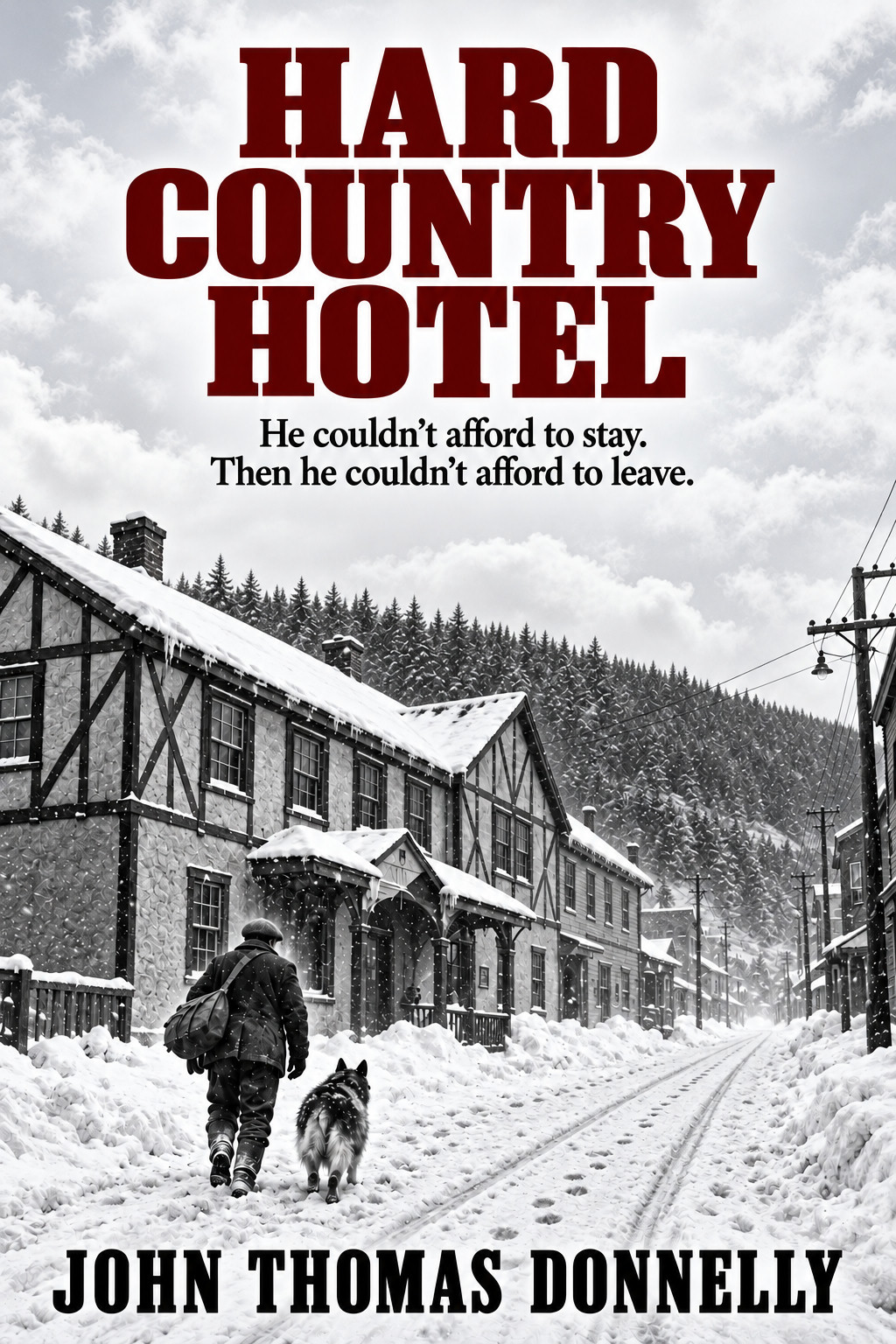
Hard Country Hotel
Available now
Wells, 1934. A broke drifter and his opinionated dog arrive for a hotel opening. Inside, a cook guards her father's claim and the MacDonells struggle to keep everyone fed. A storm and stolen freight put the celebration and lives at risk.
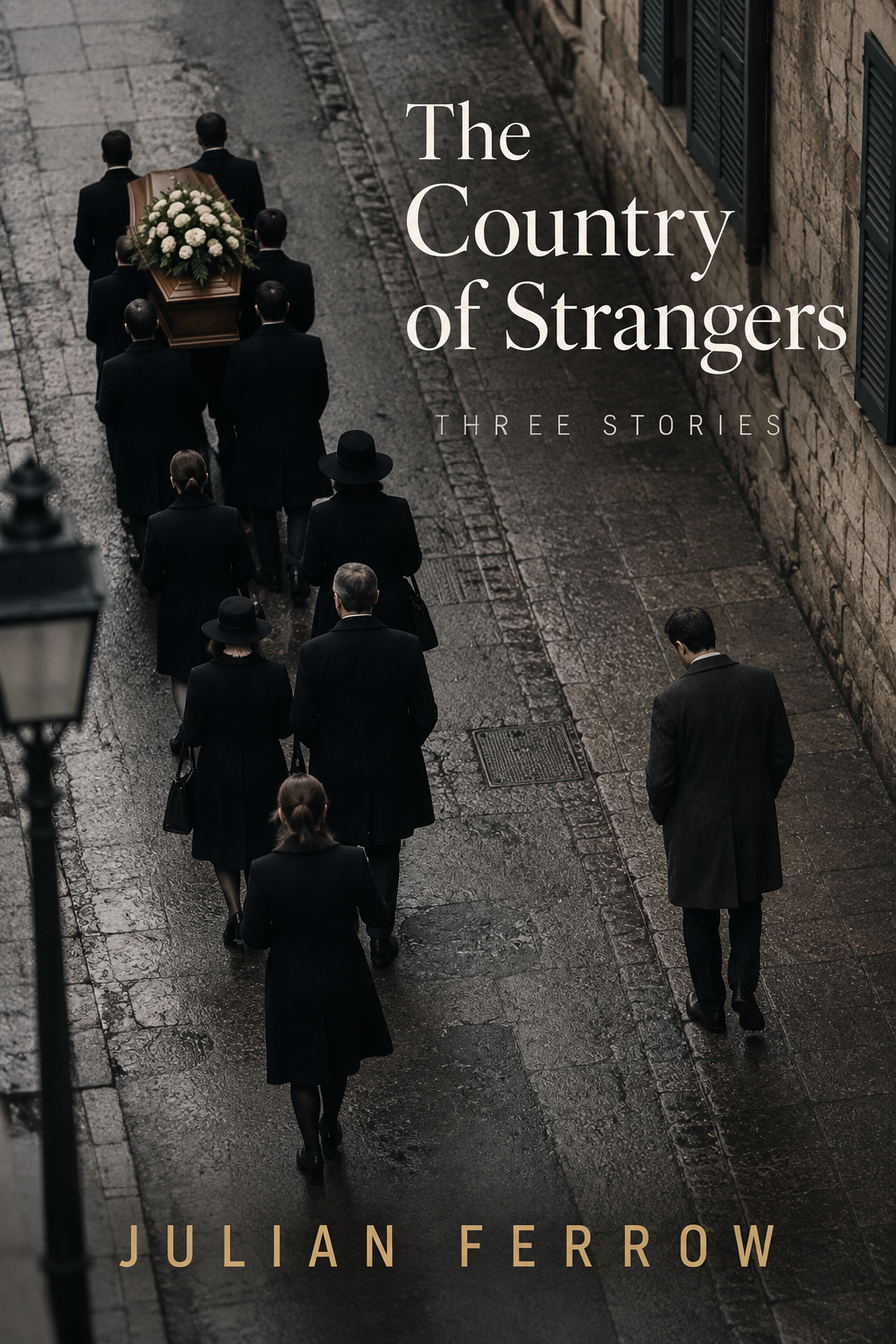
The Country of Strangers: Three Stories
Kindle ebook available · Audiobook coming soon
In Roubaix, Trieste and Leipzig, a rent collector, a lodging agent and a consultant mistake self-interest for good intentions. Three stories of social ambition and threatened livelihoods, in the tradition of Graham Greene, Evelyn Waugh and W. Somerset Maugham.
New and forthcoming.
Kindle ebook available · Audiobook coming soon
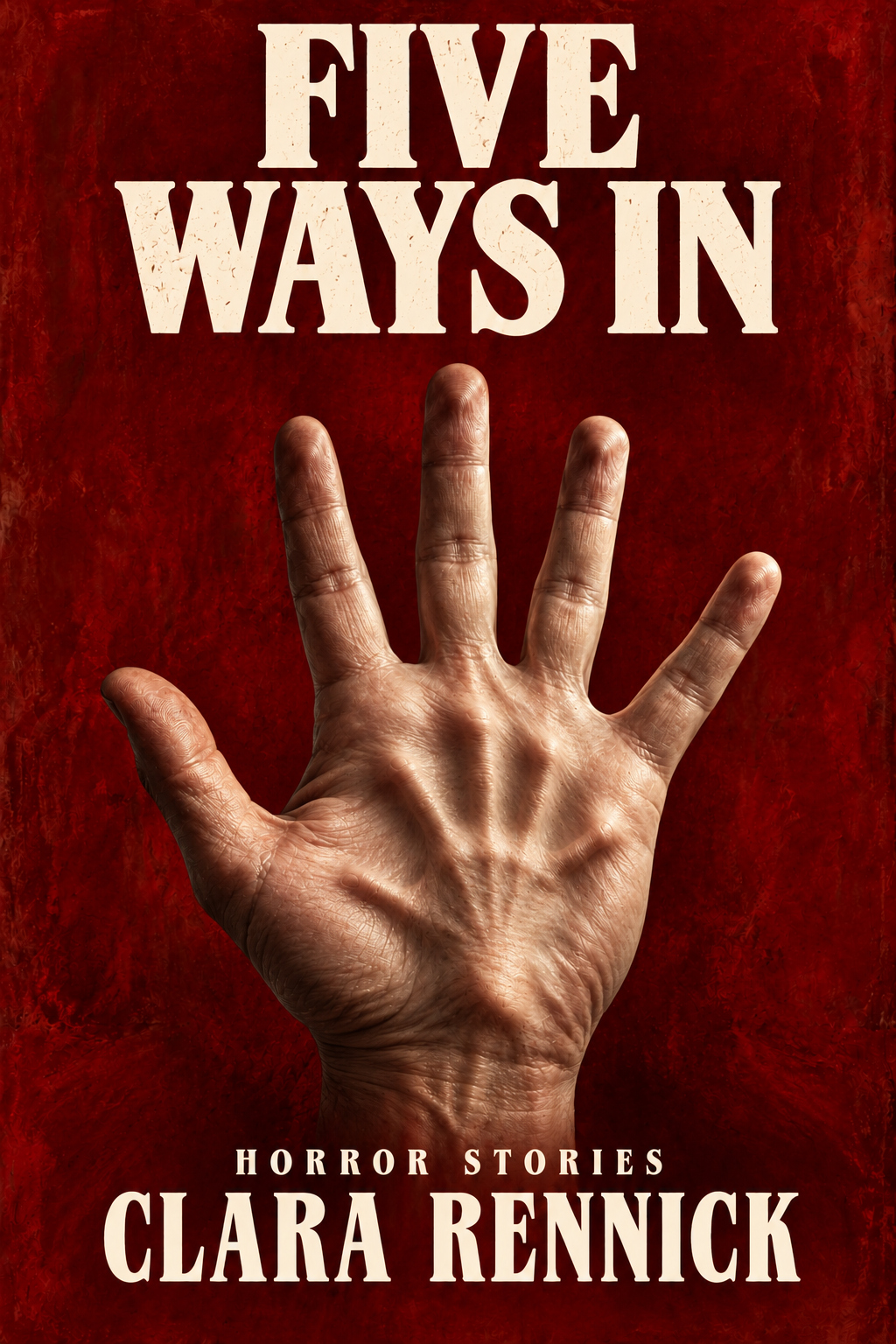
Five Ways In
The Weeks We KeepTwo lovers find a house that gives them extra time, but their bodies keep counting.
Lydia and FrancesLydia can ease her dying mother’s pain with a touch, but her own body begins to fail.
The Other WidowAfter her husband’s death, a stranger arrives with his house key and claims she married him.
The Public GalleryThe courthouse dead demand that Esther condemn the mother they sent to the gallows.
Sylvia and LeonA door in their new home opens into a room they left behind, where something waits.
November 15, 2026
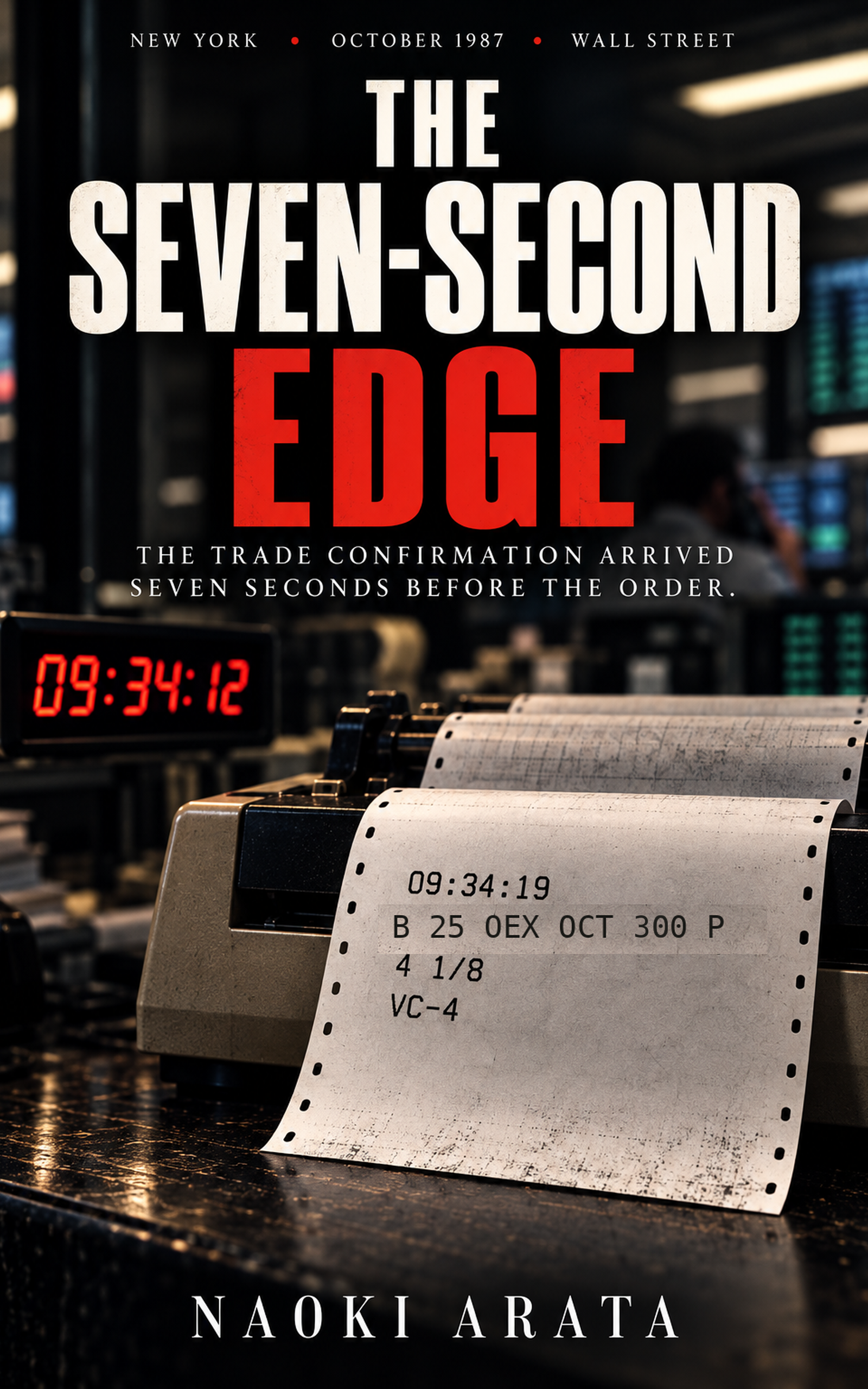
The Seven-Second Edge
Daniel McKenna discovers a seven-second trading advantage on Wall Street. Victor Carbone turns it into a fortune, but their profits trigger accidents that kill people outside the firm. As Black Monday approaches, Daniel must force the company to take a loss before another trade claims another life.
December 25, 2026
No Angel Came: Five Stories
Five standalone stories follow queer women across different genres and eras. From a New Mexico photographer to Hollywood studio workers, a Las Vegas dealer and Vancouver answering-service women, private lives collide with the records others control.
January 15, 2027
The Cut
New York, 1964. With television forbidden at home, licensed viewing rooms are big business. A records examiner discovers who benefits from a neighbourhood clearance. Helping residents challenge it could cost her livelihood, while the woman she loves is tired of being kept out of sight.
February 14, 2027
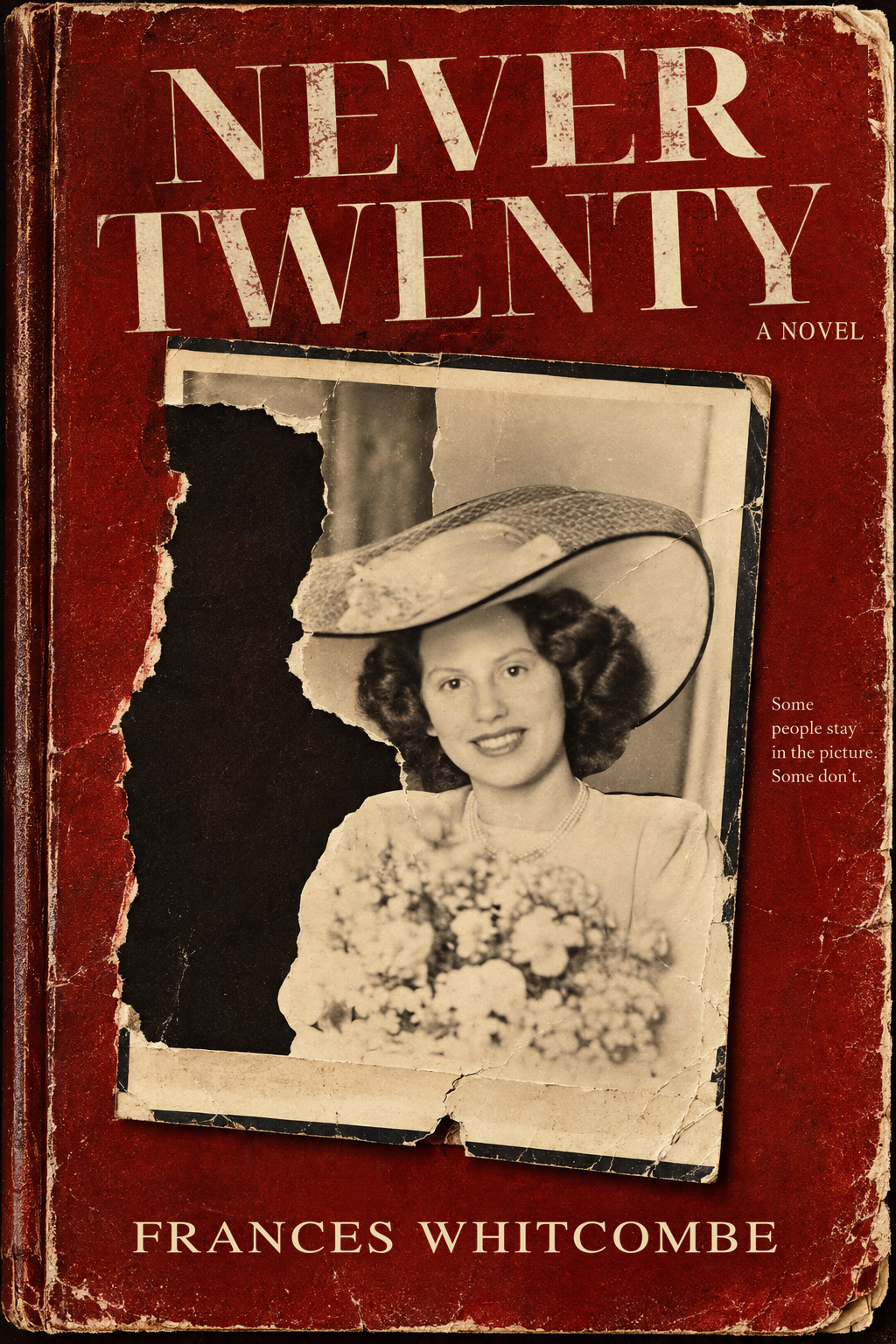
Never Twenty
After her father's death, Rachel Adler finds in a hidden scrapbook a wedding photograph with the groom cut out. Her aunt Miri was murdered at nineteen. As Rachel traces the family's account across three generations in Vancouver, another woman's experience forces her to confront what the Adlers still leave out.
Target: December 31, 2026 · Ebook and audiobook
The Clearance
California, 1958. Margaret Kells prepares security files at an aerospace contractor. When a gifted analyst’s history leads back to Margaret’s own household, an omission could protect two careers and put her own name beneath the lie.
March 16, 2027
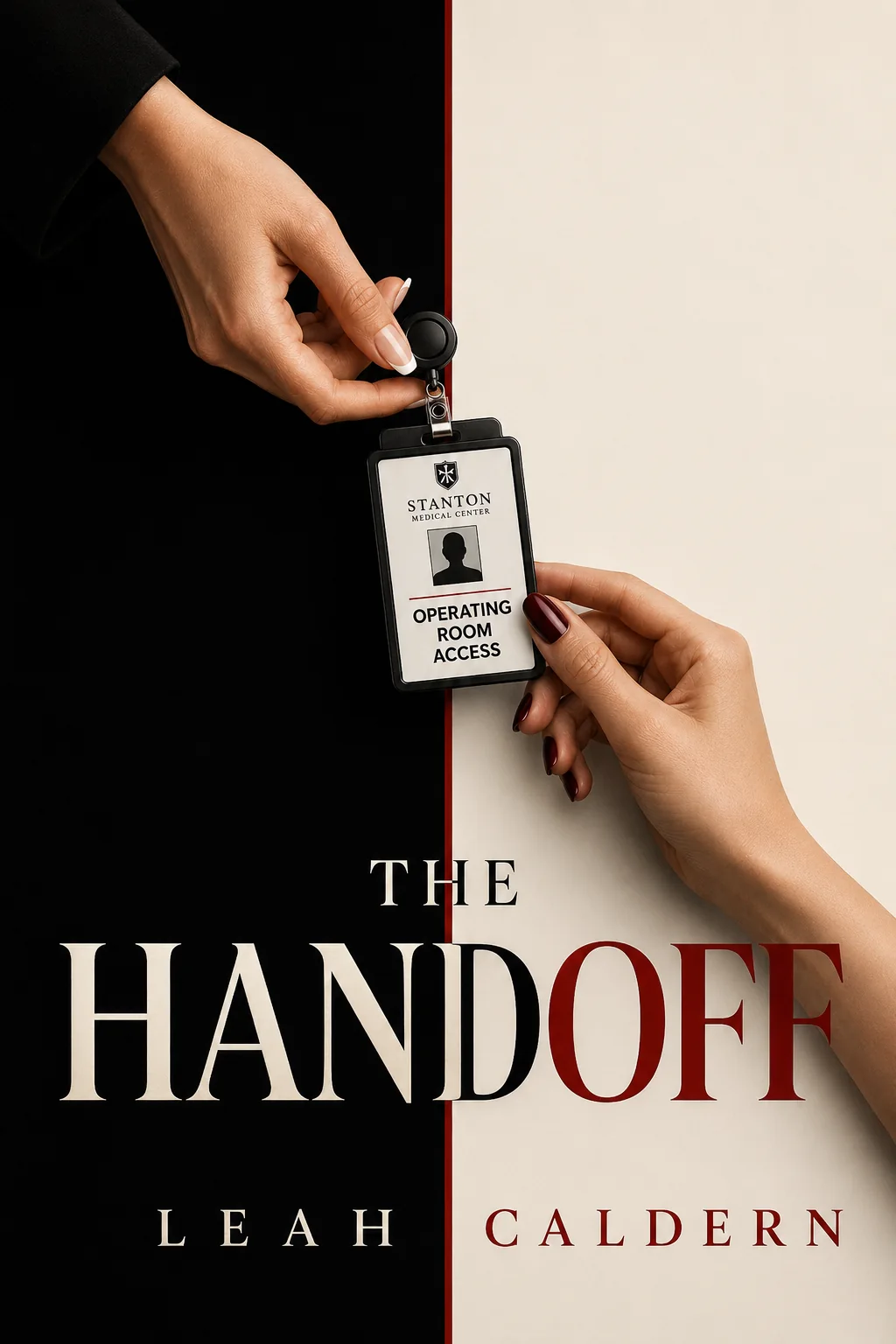
The Handoff
Surgical-sales representative Elise Corbett has six days to save the hospital account that made her career. To win her promotion, she must make her former lover, Lydia Bradbury, indispensable as her replacement.
Release date to be announced
Written in Wax
Written in Wax is a time-travel novel by John Thomas Donnelly. Release date to be announced.
Release date to be announced
The Silk Bird: Lyon ’68
Lyon, May 1968. A printmaker turns a silk design Claire claimed as her own into a revolutionary poster. Its creator, Claire's former lover Élodie, wants her work back without exposing their affair. Claire still holds the evidence and plans to burn it.
Audiobooks coming soon.
Audiobook editions are planned in release order. Join the reading list for availability updates.
For reading groups.
Read a scene, then explore it with these discussion questions.
Love Anyway: Cynthia’s separation
The Last Solos: the bedside scene
Timberline Road — Scott: the walk home
Timberline Road — Danny: the route
Timberline Road — Dara: the extension
Timberline Road Publishing.
Independent fiction across literary and historical novels, crime, suspense, queer fiction and supernatural horror.